


5 Common Mistakes to Avoid When Choosing an Environmental Test Chamber
Selecting an environmental test chamber seems like a straightforward purchasing decision. However, many problems only appear after the equipment is installed. Test cycles might take longer than expected, or future test plans become limited by the original configuration.
Most of these issues are not caused by equipment defects, but by mistakes made during the selection stage. Here are the five most common mistakes engineers should avoid.
1. Focusing Only on Extreme Specifications
One of the most common mistakes is prioritizing extreme temperature or humidity limits on the datasheet. While maximum values look impressive, most reliability tests operate within a narrower and more stable range.
In real testing scenarios, performance factors like temperature stability and uniformity have a much greater impact on your results. A chamber that reaches very low temperatures but struggles to maintain uniform conditions can make your test data unreliable.
2. Choosing Chamber Size Without Extra Margin
Chamber volume is often chosen to match the exact size of current test products. This approach creates problems once you add fixtures, sensors, and wiring inside the chamber.
If the chamber is too crowded, it restricts airflow and causes uneven temperature distribution. Choosing a slightly larger chamber provides better flexibility for future projects without significantly increasing your budget.
3. Underestimating the Temperature Change Rate
The temperature ramp rate plays a critical role in test efficiency. Slow heating or cooling rates can extend test cycles far beyond your expectations, which reduces laboratory efficiency and delays product launch schedules.
Engineers should evaluate ramp rates based on actual testing demands rather than nominal values on paper.
4. Treating Combined Testing as a Simple Add On
As testing requirements become more complex, some engineers try to combine temperature and vibration testing using separate, improvised systems. This approach often overlooks how different environmental stresses interact.
True combined testing requires coordinated control and proper structural design. Without professional integration, your test data may fail to represent real operating conditions.
5. Ignoring Long Term Maintenance and Future Needs
Initial purchase decisions often focus only on the price and current technical specifications. However, product testing requirements rarely remain static. Standards change, and test profiles become more demanding over time.
Additionally, a chamber that requires frequent downtime for maintenance will disrupt your schedule and increase operational costs. Choosing a system with reasonable flexibility and easy maintenance helps protect your long term investment.
Conclusion
Choosing an environmental test chamber is a strategic decision that affects test accuracy and efficiency. By avoiding these common mistakes, you can ensure that your equipment aligns perfectly with your long term development goals.
If you need help selecting the right chamber configuration for your laboratory, contact our team today for professional guidance.
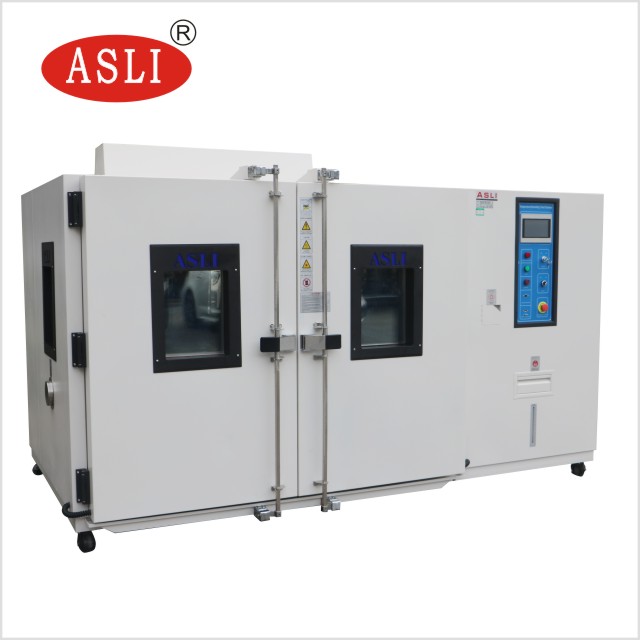
walk in temperature & humidity test room