


Sustainability at ASLI: Reducing Emissions at Our Manufacturing Sites
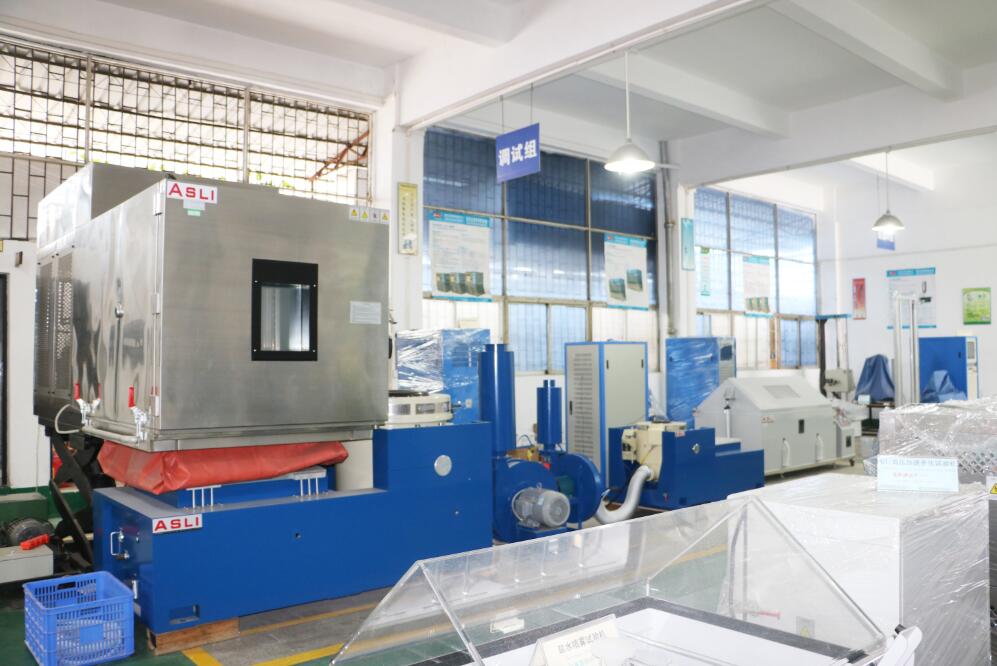
How We Reduce Emissions at Our Manufacturing Sites
Practical steps in energy, water, mobility, and product design — implemented at ASLI's factory.
At ASLI, reducing emissions is not a statement on a brochure. It is a set of changes made at our manufacturing site — in how we power the factory, how we manage water, how our employees commute, and how we design our test chambers.
This page summarizes what we have done so far, and what we continue to improve. We share it because more of our European customers now evaluate suppliers on environmental performance, not only on price and lead time.
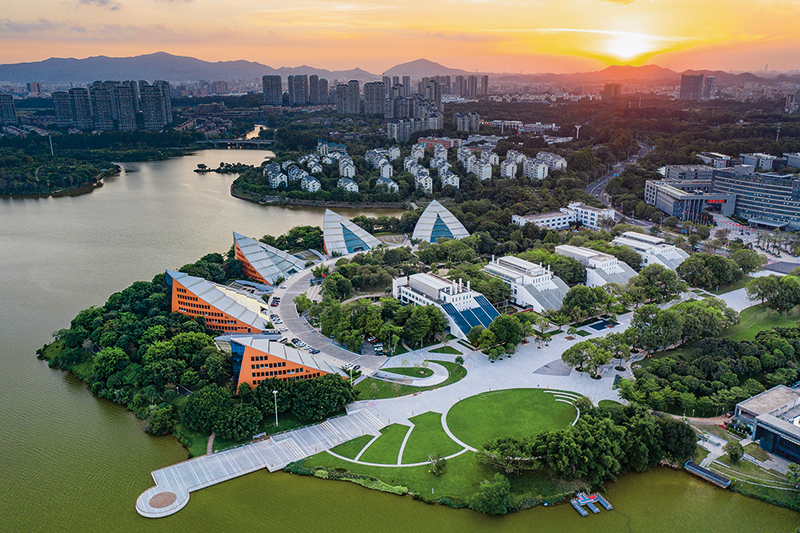
Our factory is located in the Songshan Lake area of Dongguan — a technology and ecological park that has prioritized green space and low-density development.
1. Solar power for 90% of industrial electricity
We upgraded our factory park in line with national energy-saving policies and built an on-site solar photovoltaic system.
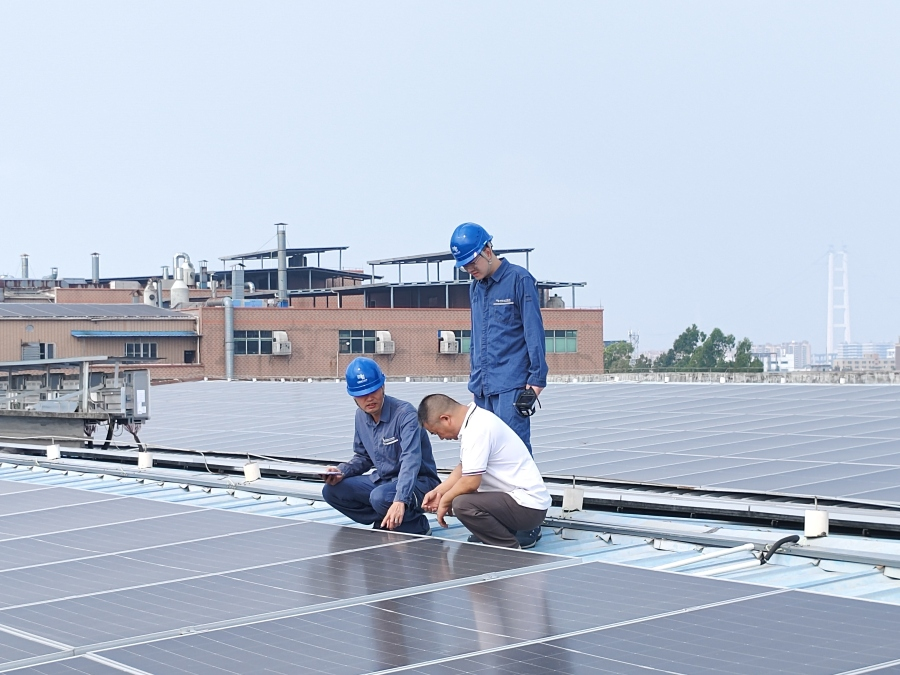
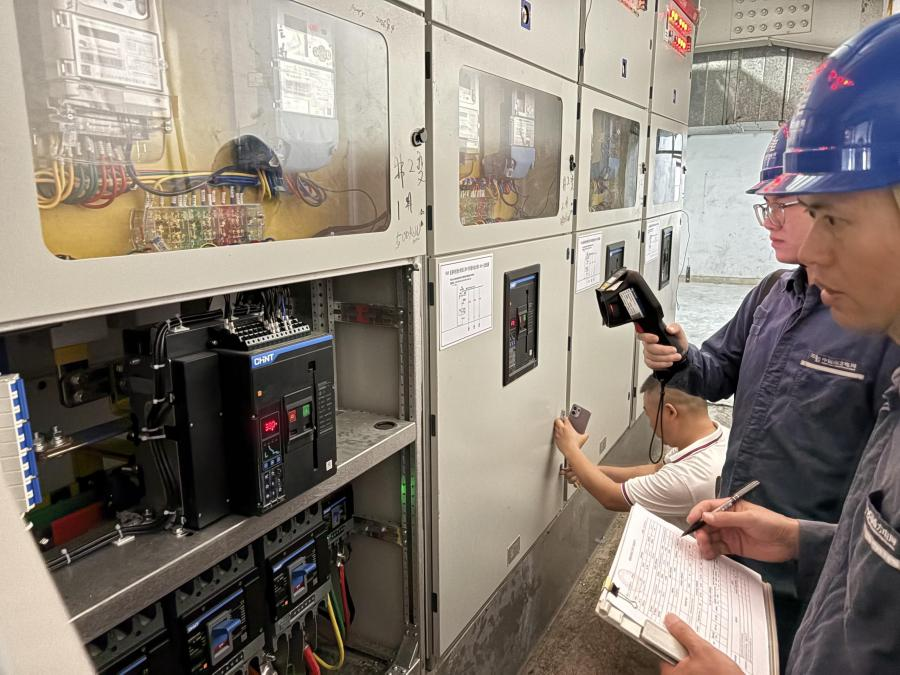
The photovoltaic system now covers about 90% of our industrial electricity demand. A small portion of the original facilities still uses the local grid, because those areas involve safety and structural constraints that make solar retrofitting impractical at this stage.
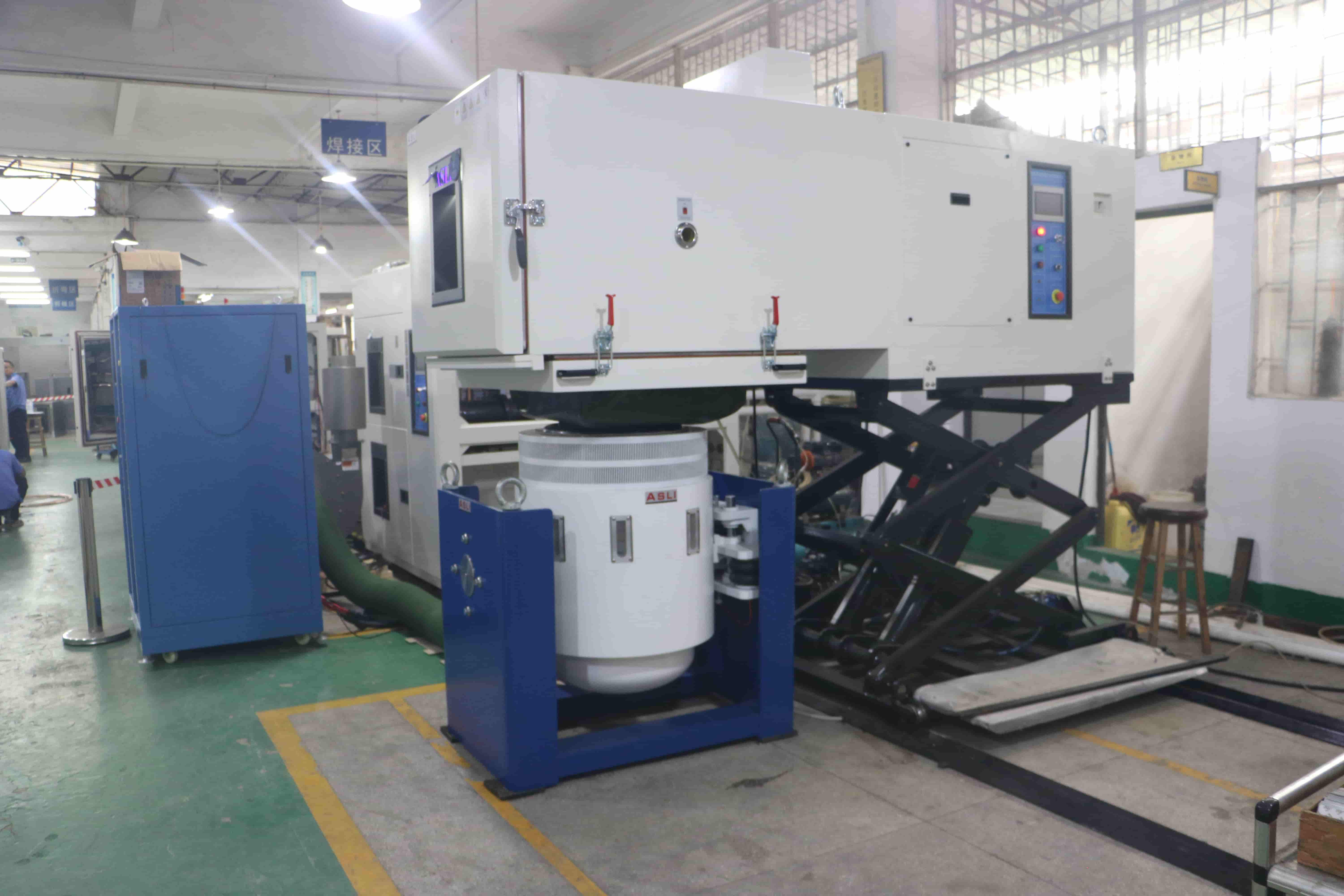
The test chambers we assemble and test on site run largely on this solar supply — so the renewable share is not only a facility-level number, but directly connected to the products we ship.
2. Water recycling for long-term testing
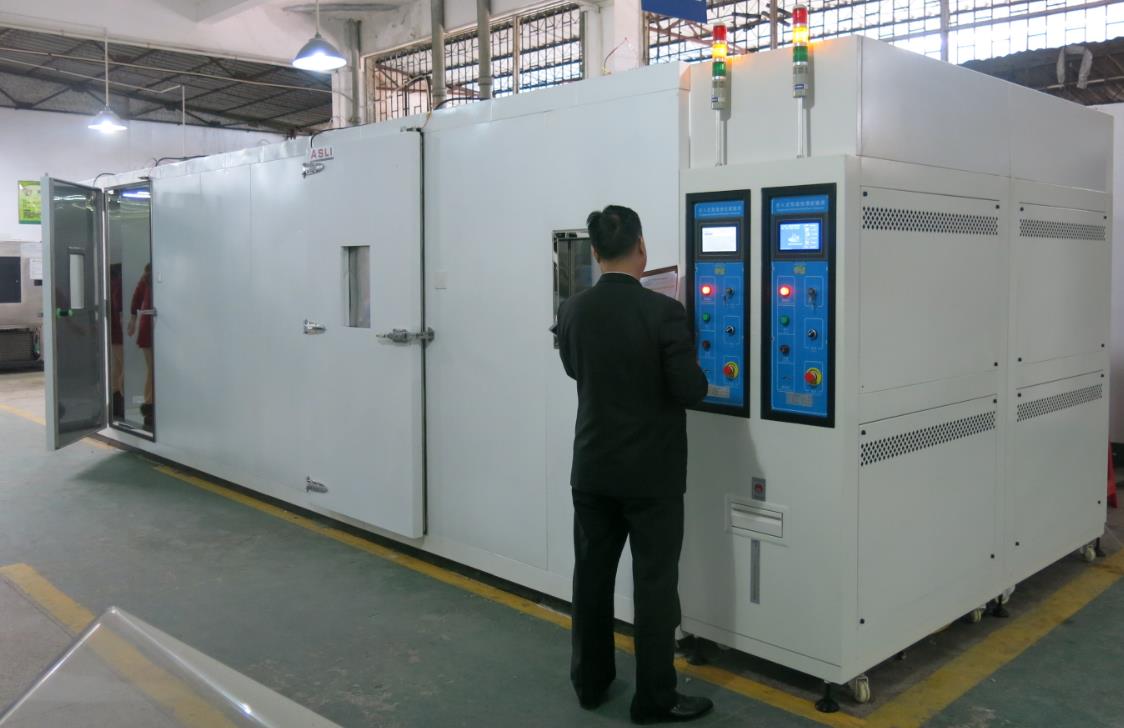
Our temperature and humidity test chambers run long-duration tests and consume a significant amount of water. To reduce waste, we built a large water storage and recycling system on site.
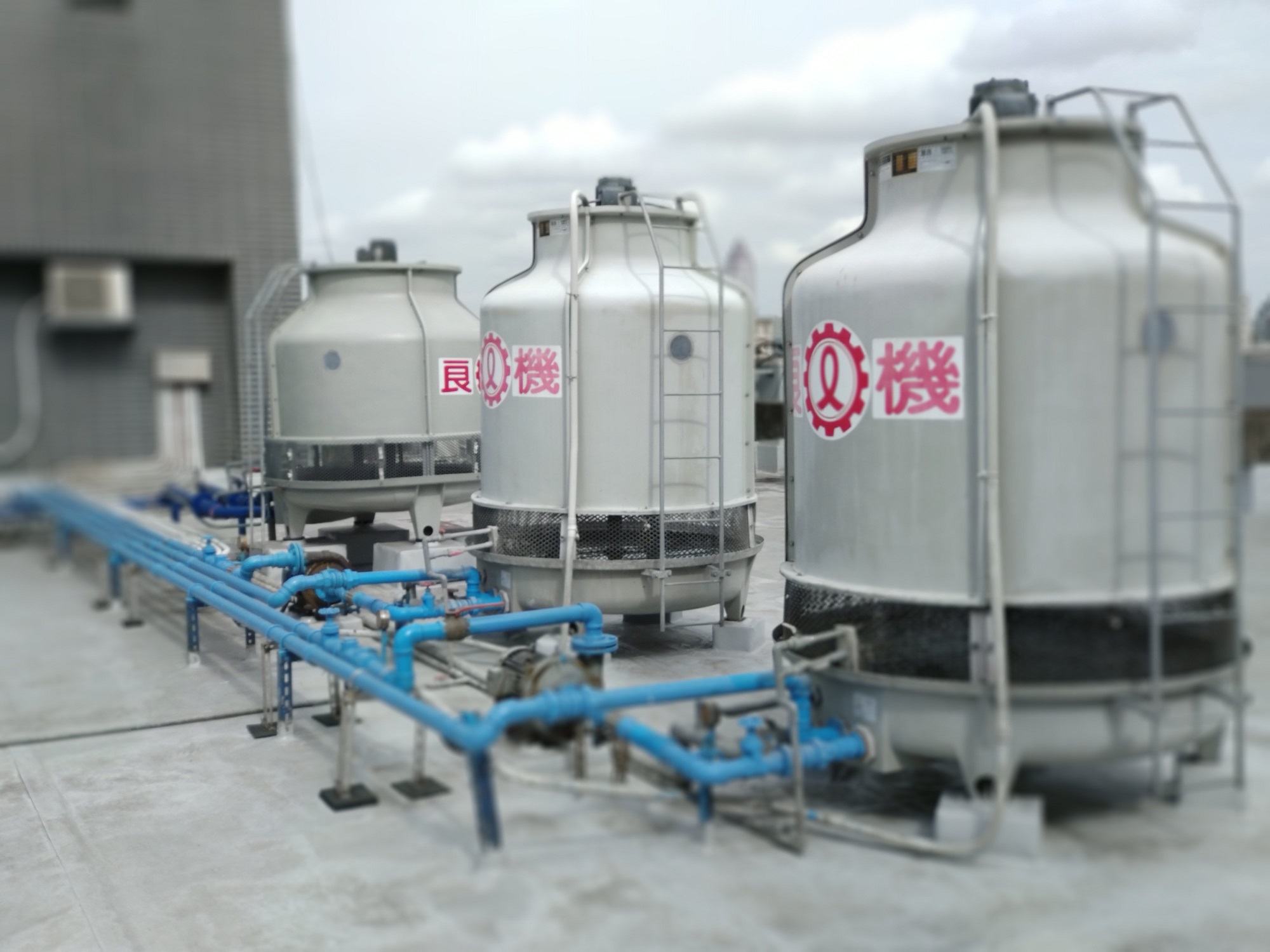
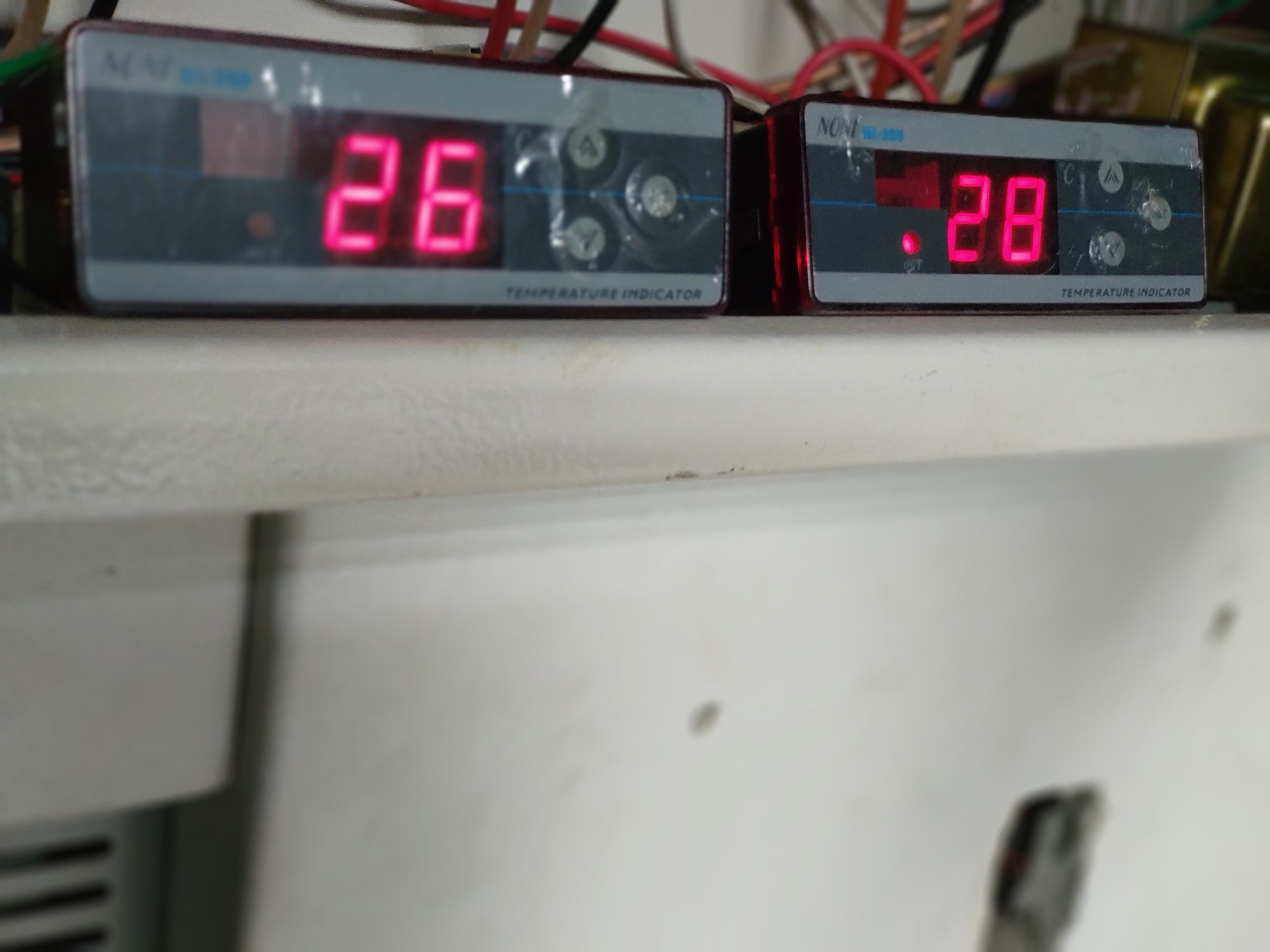
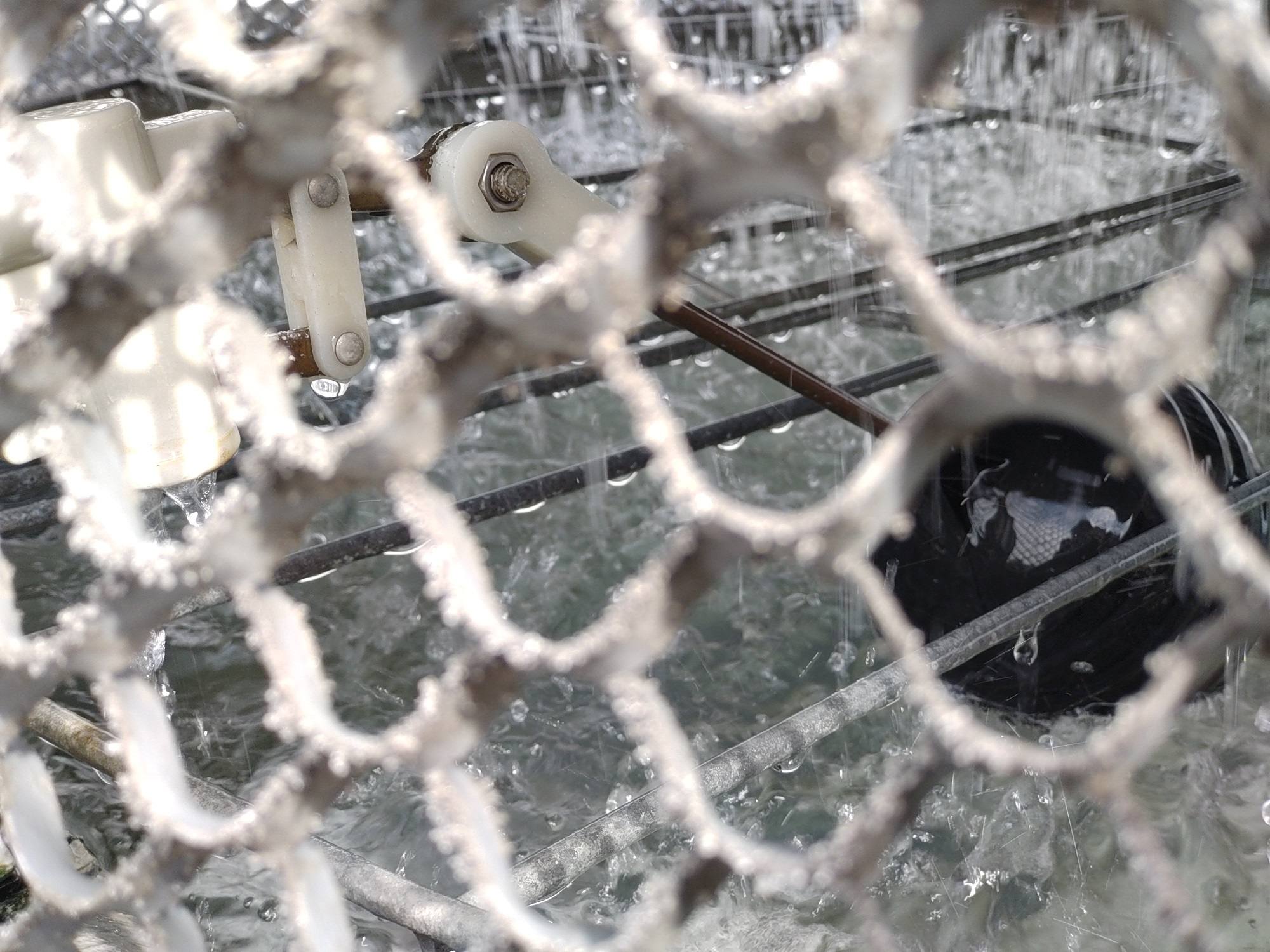
The system allows us to reuse water across test cycles while maintaining the water quality required for chamber operation. Water used in long-term temperature and humidity tests is collected, treated, and returned to the test process instead of being discharged after a single use.
This improves water efficiency and lowers the environmental impact of our testing operations, without affecting the accuracy or stability of the test chambers.
3. Employee commuting and green travel
We encourage employees to use public transport and provide commuting subsidies for those who choose greener travel options. The aim is to reduce the emissions associated with daily commuting, especially for staff living outside the immediate factory area.
This is a small but consistent part of our overall emission reduction effort. It also helps reduce peak-hour traffic around the Songshan Lake park where our factory is located.

4. Energy-efficient equipment design
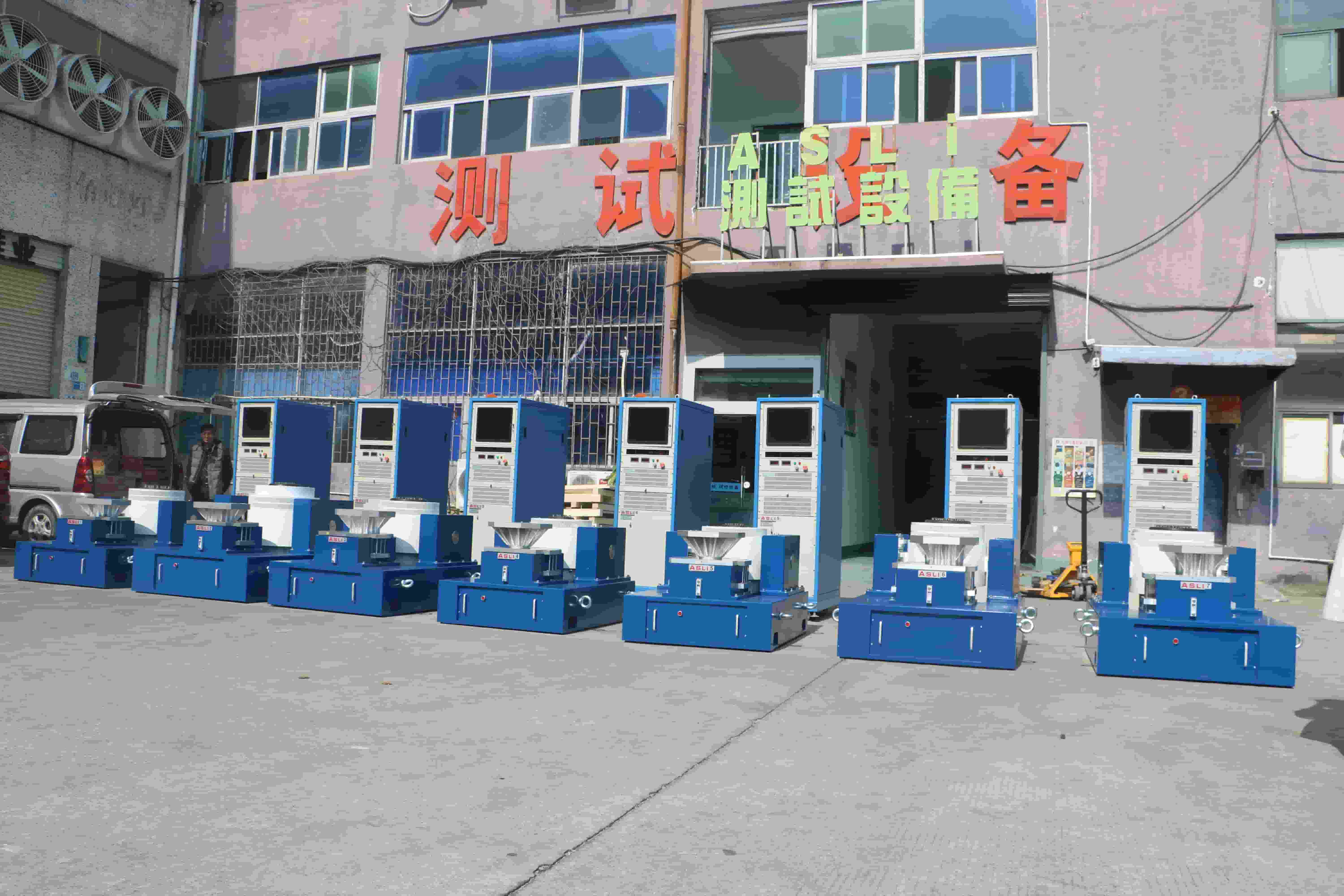
Our engineering team also focuses on reducing energy consumption at the product level. We continuously improve the efficiency of our temperature and humidity test chambers and other environmental test systems, so that customers can run their reliability tests with lower energy use.
This is part of how ASLI approaches sustainability — not only in our factory, but also in the equipment we deliver to laboratories worldwide.
Evaluating suppliers on environmental performance?
For European customers who evaluate suppliers on environmental performance, we are happy to share more details about these measures during factory audits or project discussions.
Contact our team if you would like to learn more about ASLI's manufacturing practices or our energy-efficient test chamber designs.
Contact our team- None
- what is soak time